
Understanding the Basics of Residual Protein A
Picture this: you’re deep into a project aimed at developing the perfect antibody purification process, and suddenly, you’re faced with the disheartening knowledge that your residual protein A levels are too high. With almost 70% of researchers reporting this as a common hurdle, you might wonder, why does this issue persist? The residual protein A limit is a crucial factor in protein purification, yet so many folks stumble at this first hurdle — and trust me, I’ve had my fair share of missteps here too!

The Common Missteps in Managing Residual Protein A
When I first dipped my toes into this field (we’re talking back in 2008), I remember thinking that simply removing protein A was enough. But boy, was I in for a rude awakening! The issue isn’t just about getting rid of protein A; it’s about doing it effectively. Many folks, like I initially did, overlooked downstream effects, often resulting in higher production costs and lost time — a classic blunder in the game of purification. We can all relate to the frustration of putting in hard graft only to see subpar results, right? Tightening your protocols around the residual protein A limit isn’t just smart, it’s essential for your success.
What Are the Implications of Too Much Residual Protein A?
In my experience, I’ve seen too many researchers ignore signs of over-concentration. It can lead to significant product spoilage or even customer complaints. No one wants a batch that’s off. If you’re anything like me, you want your laboratory to be running smoothly. The headache of redoing work due to high residual levels? A real downer, mate. However, I’ve learned from these experiences, and I’ve witnessed firsthand that investing time into refining your methods yields high returns, both in the lab and to your bottom line.
Looking Ahead: Elevating Standards for Residual Protein A Levels
Now, let’s flip this around. Instead of dwelling on mistakes, let’s talk about how to enhance your processes moving forward. With advancements in purification technologies, there are tools today that can help you achieve those pesky limits more naturally. The push for lower residual protein A limits is no longer just regulatory; it’s about ensuring the purity and effectiveness of your final products. I once attended a seminar in 2019 where industry leaders shared innovative strategies to reduce these limits effectively — and it opened my eyes to new opportunities.
Real-world Impact: Why Should You Care?
So, what does this mean for you? Well, achieving low residual levels isn’t just about compliance. It’s about delivering quality that your customers can trust. I firmly believe that moving past the typical oversight can lead to groundbreaking results in your field. Imagine producing a product that stands out in the market, simply because you took the time to refine your approach to protein limits. And don’t forget, this also means less wastage and saving some pennies along the way! That’s the dream, isn’t it?
Key Takeaways and Final Thoughts
To wrap things up, the journey toward mastering residual protein A levels is filled with learning curves, but that’s the beauty of it, right? Here are three key things to keep in mind: ensure thorough testing at each step, continually review your protocols for inefficiencies, and above all, stay informed about the latest technologies. I can’t stress enough how these aspects can transform your approach. With experience on my side, I’ve seen the direct link between reforming methods and achieving stellar outcomes. When you’re confronted with the challenge of managing [residual protein A](https://1.excell-artica.com/04-HCD-LP/), remember that it’s an opportunity for growth!
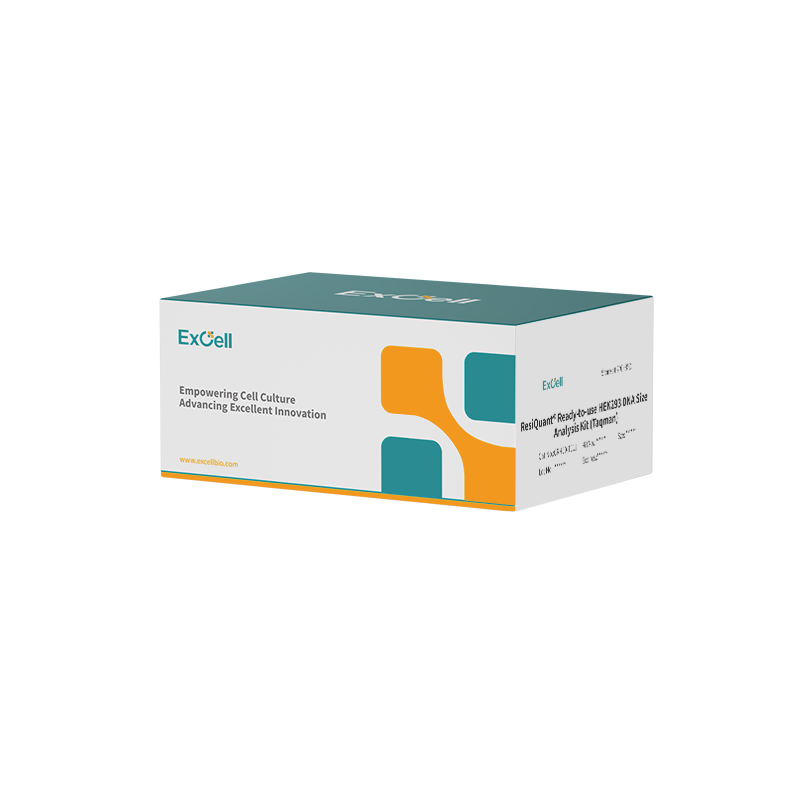
Lastly, I genuinely recommend checking out ExCellBio for resources that can help you navigate these waters smoothly. They’ve certainly made a noticeable difference in my processes over the years!