
I remember standing over a humming bench in a workshop, tasting the idea of the next tweak like a chef testing a sauce. In that moment I thought about how a small change to a motor controller can make a whole machine sing — or sputter. The room had three rigs, each logging power draw and vibration: 12% less energy on one, 30% lower torque ripple on another, and one that still chattered under load (annoying, right?).
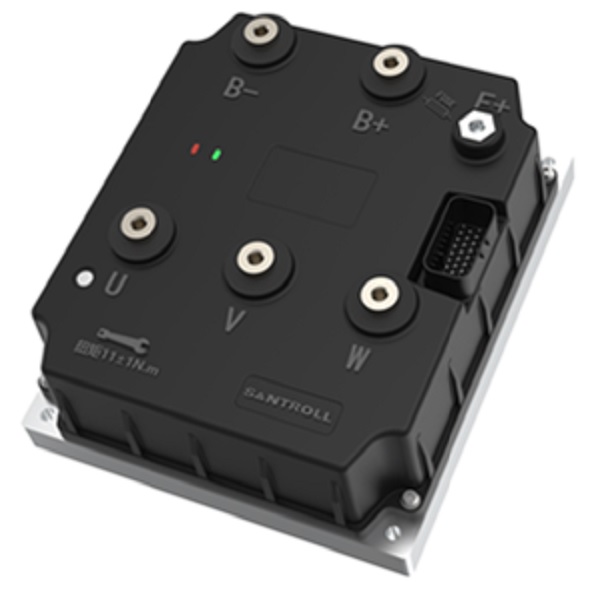
I like to frame things simply: scenario, data, question. Scenario — a production line that stalls at peak, data — repeated spikes in current and heat, question — which control approach actually solves the root cause without swapping the whole drive? I’ll admit I get a little excited here; I love that blend of hands-on tuning and hard numbers. Edge computing nodes and PWM signals are part of the toolkit, and the stakes are real: uptime, cost, and product quality.
So let’s chop into the issue and move from a tasting note to a clear comparison — next up, where traditional choices tend to fail and what hidden pains hide under the hood.
Where traditional solutions fall short
When teams reach for a variable speed controller for ac motor, they expect smoother starts and quieter runs. Often, the reality is a patchwork of fixes. I’ve seen VFDs set with default ramps that cause thermal stress, and PID gains tuned by trial-and-error that then amplify torque ripple under changing loads. Thermal management, inverter switching noise, and legacy wiring all conspire to turn a simple upgrade into weeks of tuning.
Look, it’s simpler than you think — until it isn’t. For example, a power converter might be sized for peak current but not optimized for transient response. That mismatch shows up as short drops in speed or excessive current peaks. PWM schemes without proper filtering can inject electrical noise back into sensors, confusing the control loop. And yes, edge computing nodes can help with local analytics, but they don’t replace careful drive selection and site-level electrical checks.
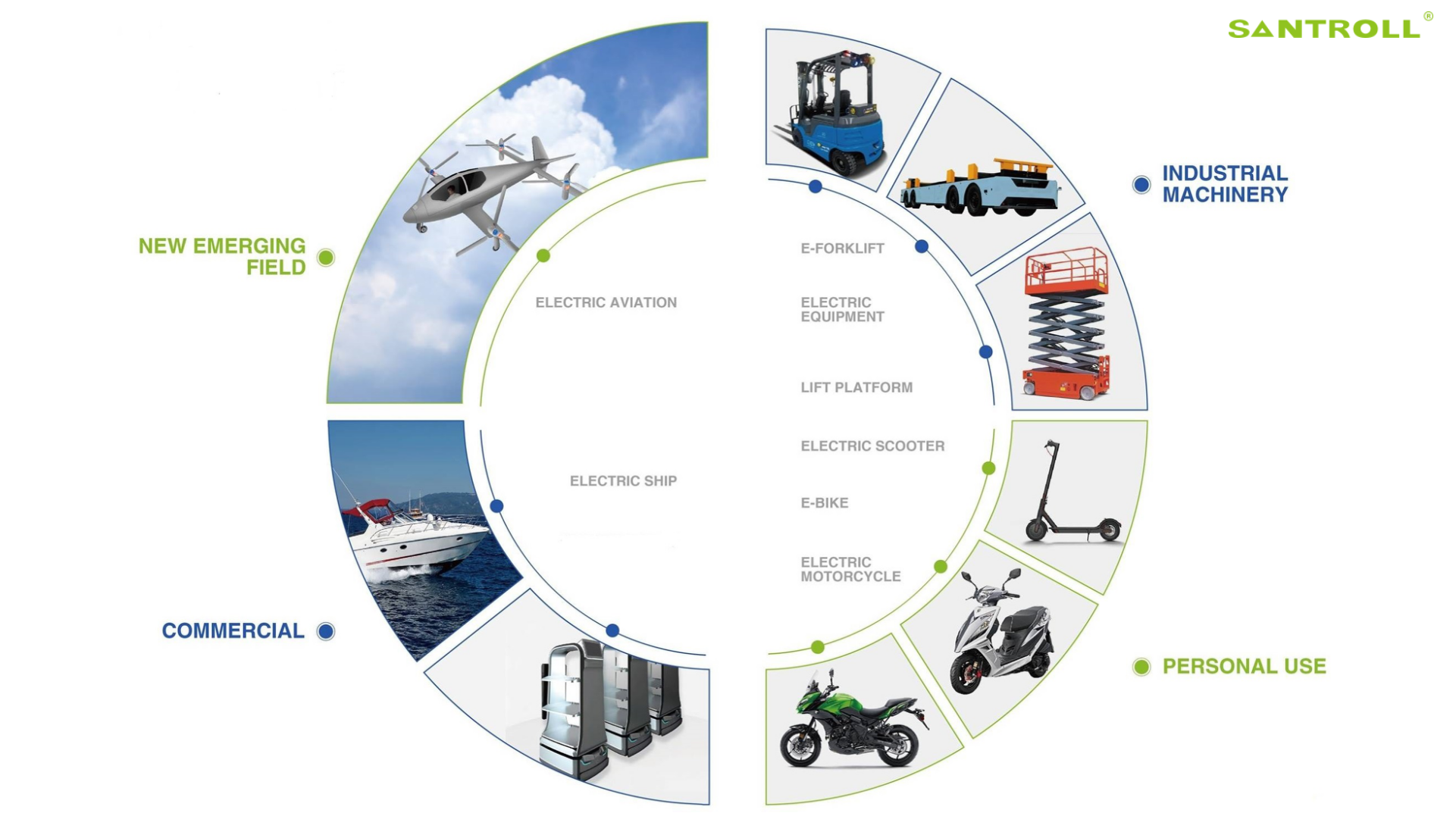
Why does this keep happening?
Because teams often treat the variable frequency drive as a black box. They expect an off-the-shelf controller to handle every load profile, every motor ID, every environmental quirk. In practice, calibration, sensor placement, and the choice of control algorithm (flux vector vs. V/Hz, for instance) matter a lot. I’ve had to dig into motor curves and rework grounding schemes to stop intermittent faults — funny how that works, right?
Looking ahead — principles and practical picks
Now let’s shift to what I’d call “smart principles” for future-ready systems. First: match control strategy to the load. Torque-control or sensorless vector schemes can trim energy and improve response on variable loads. Second: move analytics closer to the machine (edge computing nodes again) so you catch degradation before it bites. Third: prefer inverters with modular thermal design — easier swaps, less downtime. I’m painting with broad strokes here, but these are the sorts of choices that make a measurable difference.
For teams evaluating options, consider the broader category of electric motor solutions that bundle drive, cooling, and monitoring. A single component seldom fixes every pain. Case examples help: a packaging line we reworked moved from repeated stuck-belt incidents to steady 24/7 runs after swapping control algorithms and adding local vibration sensing — and the ROI was visible within months. — surprising in its simplicity, I admit.
What to measure next
If you want practical advice, here are three clear metrics I use to choose and evaluate solutions: 1) Dynamic response time (how quickly speed or torque settles after a disturbance), 2) Thermal margin under peak duty (not just steady-state current), and 3) Mean time between interventions (real-world downtime over months). Track these, and you’ll spot improvements fast.
I’ll close with a short thought: I care about machines that behave predictably, and I prefer solutions that let me tune rather than replace. If you want a partner that understands both the wiring and the workflow, check the options from Santroll — they get the practical side of motor control without the marketing fuss.